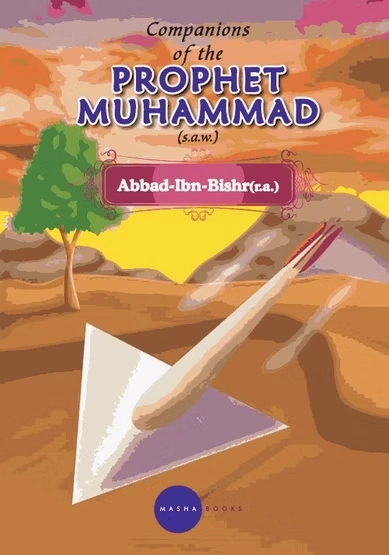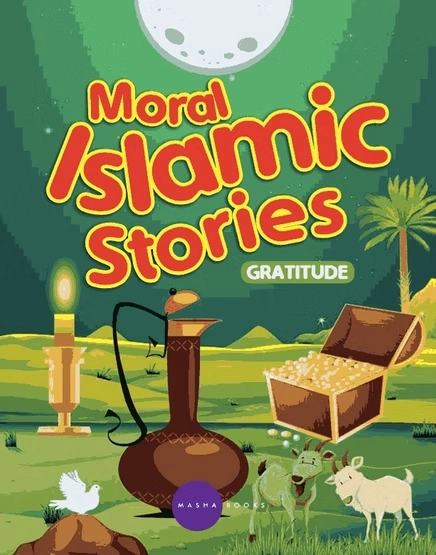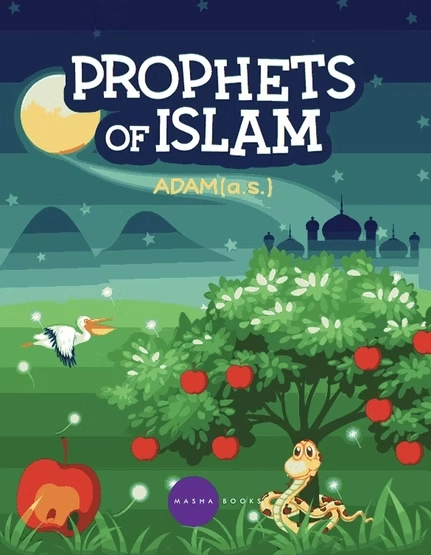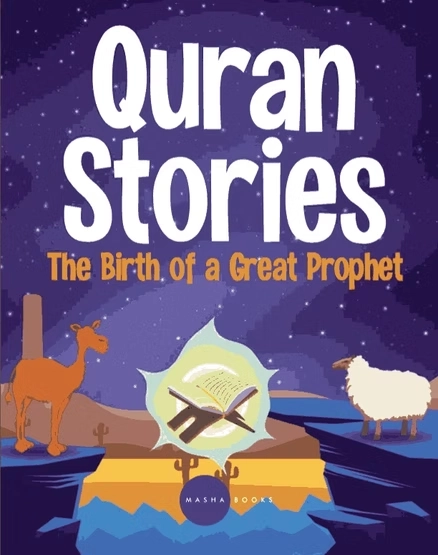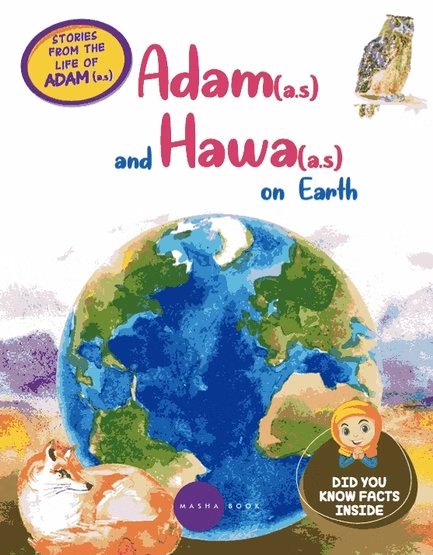

The demand for Islamic story books is growing in South Africa as bookstores, schools, libraries, educational suppliers, and online retailers expand their collections. As a result, publishers are investing in Islamic story books that combine authentic content, engaging storytelling, and quality production. From the first manuscript to the finished book, every stage of publishing contributes to creating high-quality publications that meet the needs of today’s readers and book buyers.
South Africa's Publishing Market
South Africa has a well-established publishing industry serving educational, trade, and specialist markets. Alongside locally developed titles, publishers also collaborate with international publishing partners to meet the demand for high-quality content. Islamic story books have become an important category for retailers, distributors, and educational institutions seeking well-researched publications.
From Manuscript to Finished Book
Every successful Islamic story book begins with careful research and manuscript development. Publishers create content using reliable sources, ensuring historical accuracy and high editorial standards. Editors review each manuscript for clarity, grammar, and consistency before it moves to illustration, layout, and cover design.
Professional illustrators create engaging artwork, while designers prepare the page layout, typography, and print-ready files. Once approved, the book enters production, where paper quality, binding, and printing specifications are finalized. After printing, publishers assign ISBNs and distribute books through bookstores, educational suppliers, libraries, wholesalers, and online marketplaces across South Africa.
The Growing Role of White Label Publishing
Many businesses now choose white label publishing to expand their catalogue without developing books from scratch. By partnering with experienced publishers, companies can publish professionally developed Islamic story books under their own brand while reducing development time and production costs.
As part of this publishing ecosystem, Masha Books provides white label publishing solutions for publishers, distributors, bookstores, educational suppliers, and wholesalers. Businesses can customize professionally developed Islamic story books with their own branding through services such as private label editions, custom cover design, bulk printing, and international shipping support. This enables South African businesses to launch high-quality publications more efficiently while building their own publishing identity.
Why Quality Matters
Whether published traditionally or through white label partnerships, quality remains essential. Retailers, educators, libraries, and distributors increasingly look for Islamic story books with well-researched content, engaging illustrations, durable printing, and professional production. Maintaining high editorial and manufacturing standards helps publishers build trust and meet the expectations of educational and retail markets.
Conclusion
Publishing Islamic story books involves a collaborative process of research, editing, illustration, production, and distribution. As South Africa’s publishing market continues to grow, white label publishing offers publishers and book businesses an efficient way to expand their catalogues. Through partners like Masha Books, businesses can bring professionally produced Islamic story books to market under their own brand while focusing on growth and distribution.

As a writer and content strategist at Masha Books, Noufel dedicates his work to one simple goal, making Islamic knowledge accessible to every reader, everywhere. With a deep respect for the tradition and a clear eye on the modern world, he crafts content that bridges the gap between scholarship and everyday life.