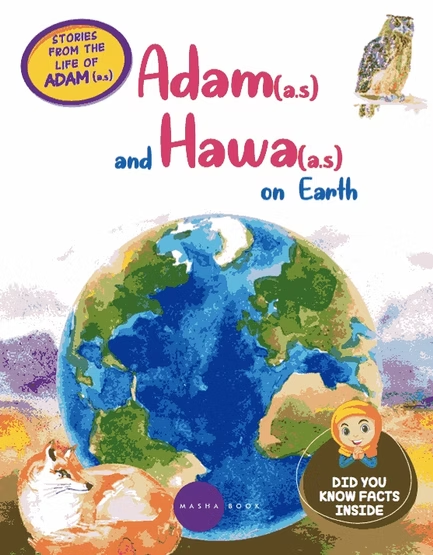


Islamic Bedtime Stories for Kids in the USA
A predictable bedtime routine matters for every child, and for Muslim families in the USA, that routine is also a quiet daily chance to pass down faith. A five-minute Islamic bedtime story does more than settle a restless toddler; it plants the same values your child will hear about later at Sunday school, weekend Islamic classes, or the masjid, but in a form small enough for them to actually hold onto: a story, not a lecture.
Why bedtime is the right moment for Islamic stories
Children in the USA spend their days moving between English-medium school, sports, and screens. By the time they’re changed into pajamas and under the blanket, they’re finally still, and that stillness is exactly when a short story about Prophet Yunus or the kindness of the Prophet Muhammad (peace be upon him) toward animals sticks. It isn’t competing with anything else for their attention.
What to read, by age
Ages 2–4:
Very short, single-lesson stories; a few sentences per page, bright illustrations, and one clear idea (“Allah loves kindness”). Look for board books or simple picture books rather than chapter-style collections.
Ages 5–7:
Short prophet stories and Quran stories with a beginning, middle, and end; Prophet Yunus and the whale, Prophet Ibrahim and the idols, and the story of the elephant (Surah Al-Fil); each one teaching a single value like patience, honesty, or trust in Allah.
Ages 8–10:
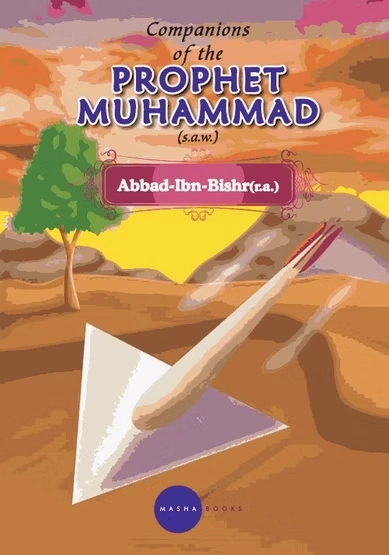
Slightly longer collections that connect several related stories, such as the Companions of the Prophet, or moral stories with more nuance: sharing, forgiveness, and standing up for what’s right.
A simple Islamic bedtime routine parents in the USA use
- Dim the lights and let your child pick the book; giving them the choice makes the routine something they look forward to, not something imposed.
- Read the story together, pausing to ask, “What do you think happens next?” or “Why do you think the Prophet did that?” This turns a bedtime story into a conversation, not a monologue.
- End with a short dua for sleep, such as Bismika Allahumma amutu wa ahya (“In Your name, O Allah, I die and I live”), said together in Arabic or in English translation, depending on your child’s age.
- Keep the same three or four books in rotation for a week or two; young children ask for repetition, and repetition is how the lesson actually lands.
Screen-free wins twice
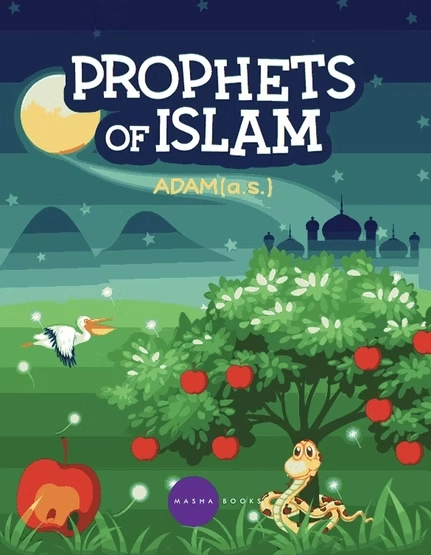
Pediatric guidance in the USA consistently recommends limiting screens in the hour before sleep, since screen light and stimulation delay a child settling down. A physical Islamic story book solves two problems in one sitting: it replaces a screen at the worst possible time for one, and it replaces that screen time with something that actively builds your child’s Islamic identity instead of just filling a gap.
Explore Masha Books’ bedtime collection.
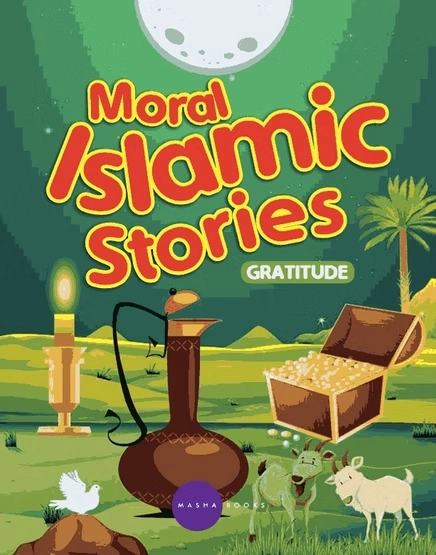
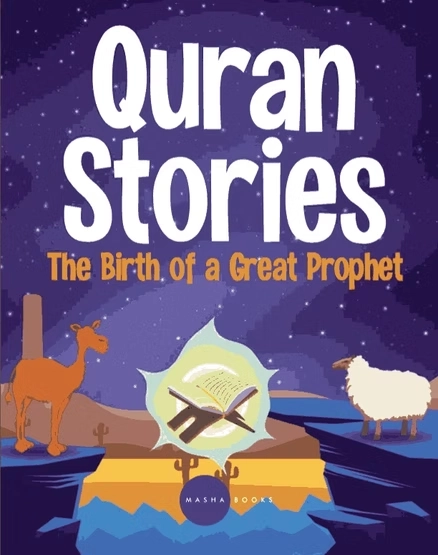
Our Quran story books and Moral Islamic Stories series are among the most-loved Islamic Story Books for children, written specifically for early readers and read-aloud bedtime use, with simple sentences, warm illustrations, and a clear lesson on every page. Browse our full collection on Amazon and build a bedtime shelf your child will actually ask for by name.
Frequently asked questions
What age should I start reading Islamic bedtime stories to my child?
You can start as early as age two with very short, simple picture books. Even before a child fully understands the story, the routine of a calm voice and a book at bedtime builds a lasting association between faith and comfort.
Are these books suitable for children who don’t yet read Arabic?
Yes. Our story books are written in clear English, with key Islamic terms explained simply, so no Arabic reading ability is needed. They’re designed for exactly this: Muslim families in the USA raising English-first readers.
How long should a bedtime story session be?
Five to ten minutes is enough for most children under eight. A short, calm story is more effective at bedtime than a long one that overstimulates rather than settles your child.
Can grandparents or non-Arabic-speaking relatives read these aloud?
Absolutely, that’s one of the most common uses. The stories are written in plain English specifically so any family member can read them aloud with no prior Islamic-studies background needed.