
Exploring the Islamic World Through Children’s Books
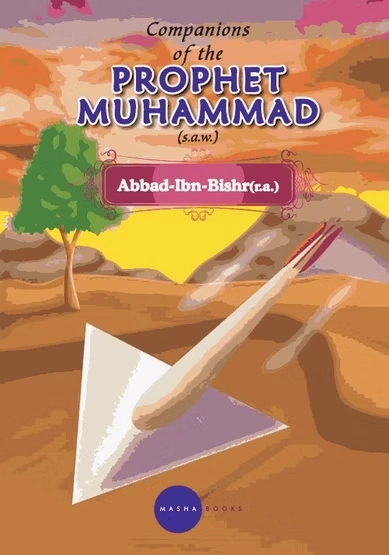
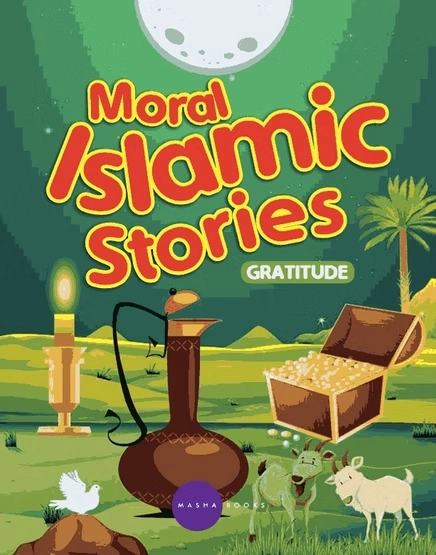
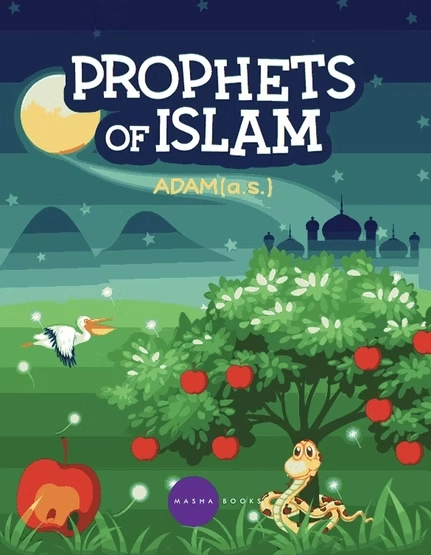
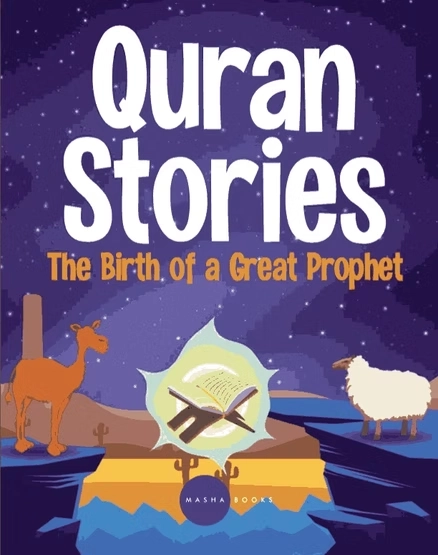
Get in Touch Stories have always been a special way to learn. When we read, we imagine new places and meet different people. For children, stories help shape how they think and feel. They learn about kindness, patience, and respect in a way that’s easy to understand. Books also help them know what’s right and wrong. By exploring the world of Islam through children’s books, we give our kids the gift of learning through fun and imagination. Learning About Islam Through Storytelling Children’s books about Islam can teach in a way that’s easy and fun. These books explain our religion in simple words, so kids can understand. Stories about prophets, good behavior, and prayer help children learn about their faith. When we read with them, they start asking questions, and that helps them grow and feel closer to Islam. Through these simple stories, they learn how beautiful it is to be a Muslim. Discovering Islamic Values Many children’s books teach Islamic values like honesty, patience, and kindness. Stories about Prophet Muhammad (PBUH) and other prophets help kids learn important lessons. Books like The Kindness of the Prophet show how to treat others with love and respect. These stories inspire children to do good and remind them that even small good deeds matter. Exploring Muslim Cultures The Islamic world is full of different cultures, from Arabia to Indonesia. Children’s books take us on fun journeys to these places. We learn about Eid, tasty foods, and beautiful mosques. Books like Amina’s Voice and Golden Domes and Silver Lanterns show Muslim kids in everyday life. These stories help us love our own culture and understand others too. Learning Through Fun Stories Islamic children’s books make learning fun and easy. Some books teach about wudu and salah using rhymes and pictures. Others tell fun adventure stories with Muslim heroes. Books like The Proudest Blue explain hijab in a simple and beautiful way. When stories are fun, kids remember the lessons better. These books help make learning about Islam enjoyable, not boring. Confidence and Identity For Islamic children, seeing characters like themselves in books is special. It shows that our stories matter. Books with Muslim characters help us feel proud of our faith and teach non-Muslim friends about our way of life. Reading about strong Muslim role models makes us feel confident. Stories like Malala’s Magic Pencil inspire us to dream big and stay brave. Connecting with Family and Faith Reading Islamic books together brings families closer. Parents and kids can talk about the lessons in the stories. Books like “My First Quran Storybook” make learning about Islam easy for children. Bedtime stories about prophets turn into special moments of learning and love. These books help families grow in faith together. The Magic of Masha Books Masha Books is a great place to find wonderful Islamic children’s books. They offer fun and educational stories filled with Islamic values. From Quran stories to modern Muslim tales, there’s something for every child. Their books are colorful, easy to read, and perfect for young minds. How Masha Books Makes a Difference At Masha Books, we believe stories have the power to make a difference. That’s why we create fun, meaningful Islamic Children’s books. Our books teach Islamic values in ways children can easily understand. We explore faith, family, and culture with love and creativity. Every book helps build confident, kind, and faithful young readers. If you’re looking for the best Islamic books for children, Masha Books is the perfect choice. Let’s keep reading, learning, and growing together. NoufelAs a writer and content strategist at Masha Books, Noufel dedicates his work to one simple goal, making Islamic knowledge accessible to every reader, everywhere. With a deep respect for the tradition and a clear eye on the modern world, he crafts content that bridges the gap between scholarship and everyday life.